
Best Time to Visit North Macedonia
North Macedonia can be visited year-round, and each season offers a different experience depending on your interests and activities.
Spring (April – June)
Spring is one of the best seasons for hiking and nature travel. Mountains become green, wildflowers appear, rivers are full, and temperatures are comfortable.
This is an excellent time for hiking, cultural trips, photography, and exploring national parks.
Spring is also less crowded than summer.
Summer (June – September)
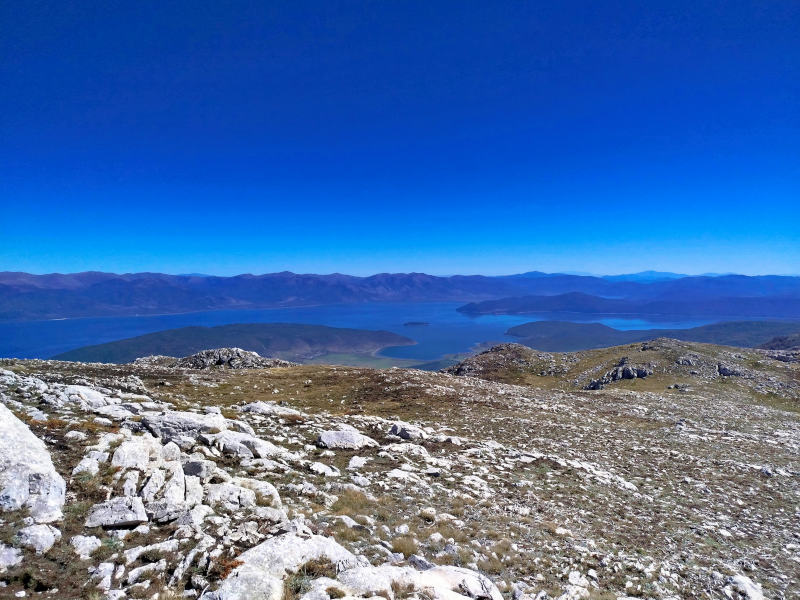
Summer is the most popular season, especially around Lake Ohrid and the mountain regions.
Higher mountains offer cooler temperatures and ideal hiking conditions, while lakeside towns become lively with festivals, cafés, and outdoor events.
Summer is perfect for hiking, mountain adventures, Lake Ohrid holidays, and cultural festivals.
July and August are the warmest months.
Autumn (September – November)
Autumn is one of the most beautiful times to visit North Macedonia. Forests change color, temperatures become cooler, and mountain landscapes are especially scenic.
This is a great season for hiking, wine tasting, photography, and quiet travel experiences.
September and early October are often considered ideal for outdoor activities.
Winter (December – March)
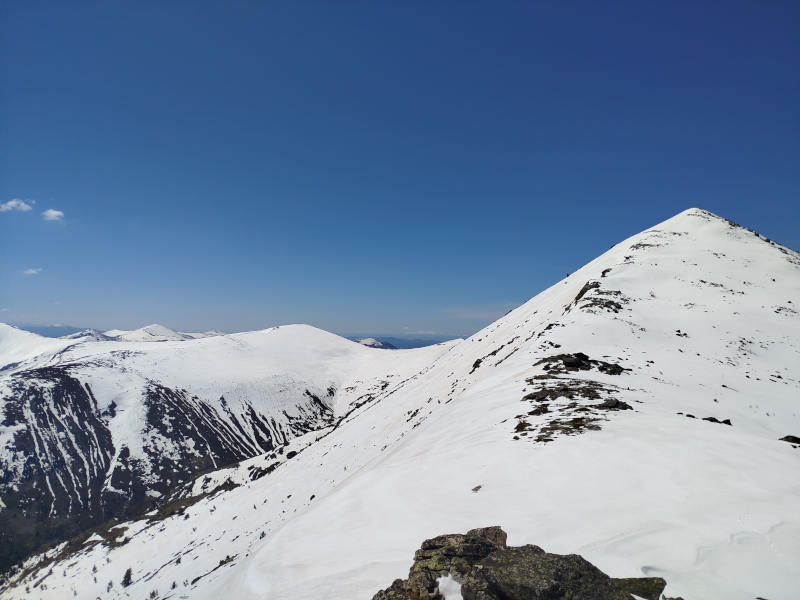
Winter transforms the mountains into excellent destinations for ski touring, snowshoeing, and winter hiking.
Regions such as Shar Mountains, Pelister, and Korab offer fantastic backcountry terrain and quieter winter experiences compared to larger Alpine resorts.
Winter is best for ski touring, snowshoeing, winter mountain trips, and backcountry adventures.
Choosing the Right Season
The best time to visit North Macedonia depends on what you are looking for:
- Spring & Autumn: Best for hiking and nature travel
- Summer: Best for lakes, culture, and mountain adventures
- Winter: Best for ski touring and snow adventures
No matter the season, North Macedonia offers authentic travel experiences, diverse landscapes, and warm Balkan hospitality throughout the year.
Travel Tips for North Macedonia
North Macedonia is one of the easiest and most rewarding countries to explore in the Balkans. It is affordable, relatively uncrowded, and full of authentic experiences — from mountain villages and hiking trails to lakeside towns, traditional food, and local hospitality. Here are some useful travel tips to help you enjoy your trip.
Getting Around
North Macedonia is a small country, so travel distances are short. You can drive from Skopje to Ohrid in around 2 hours, making it easy to combine mountains, lakes, and cultural sites in one trip. Renting a car is one of the best ways to explore the country, especially if you want to visit national parks, remote villages, or mountain regions. Roads are generally good, although some mountain roads can be narrow and slower. Buses connect most major towns and cities, but public transport to remote hiking areas can be limited.
Currency and Payments
The local currency is the Macedonian Denar (MKD). Credit cards are accepted in most hotels, restaurants, and larger cafés, but cash is still useful in smaller towns, mountain villages, and local shops. North Macedonia is generally affordable compared to Western Europe, especially for food, accommodation, and transportation.
Language and Communication
The official language is Macedonian, but English is commonly spoken in tourist areas, especially by younger people and those working in tourism. Locals are usually friendly and helpful, even if communication is sometimes a mix of English, gestures, and smiles.
Culture and Local Etiquette
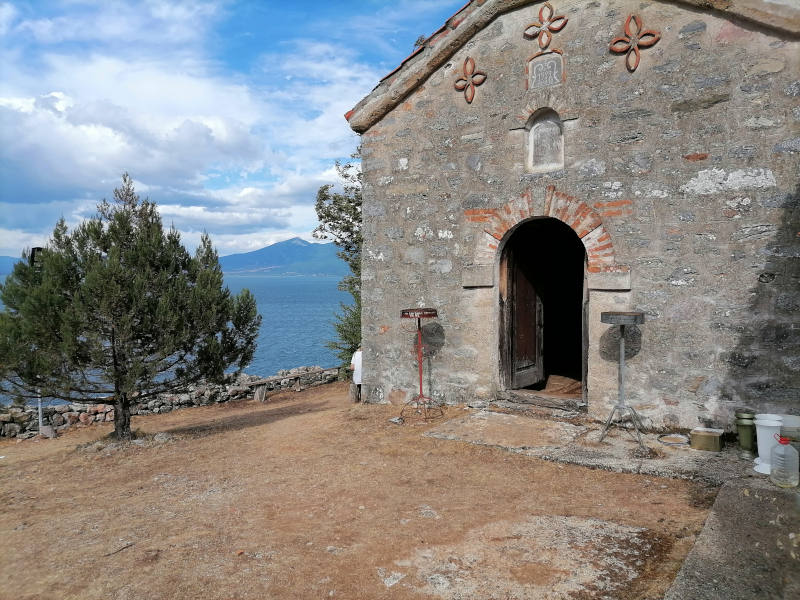
Life in North Macedonia is generally relaxed and social. People enjoy long coffees, evening walks, and spending time with family and friends. When visiting churches or monasteries, modest clothing is appreciated. In villages and mountain areas, greeting people politely is always welcomed.
Safety and Travel Experience
North Macedonia is considered a safe destination for travelers. Crime levels are relatively low, and locals are usually welcoming toward visitors. The country still feels authentic and less commercial compared to many European tourist destinations, which is one of the reasons many travelers enjoy visiting.