About North Macedonia
Small country, big mountains, long lunches, strong coffee, and people who will probably invite you for rakija before you even finish asking for directions.
Europe’s Hidden Adventure Destination
North Macedonia is one of Europe’s hidden adventure destinations — a place where high mountain peaks, quiet villages, Ottoman bazaars, crystal-clear lakes, and old stone monasteries all exist within just a few hours of driving. It’s still uncrowded, authentic, and surprisingly wild in many areas.
Most travelers come here for nature and quickly realize the country is also about hospitality, food, culture, and slow travel. One day you can hike in remote alpine landscapes, and the next enjoy wine by the lake or explore centuries-old towns.
Mountains, Lakes & National Parks
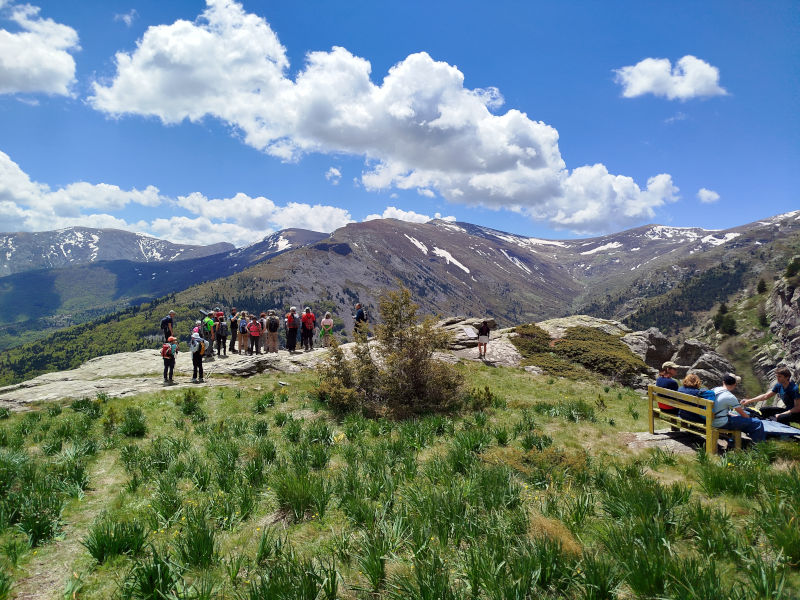
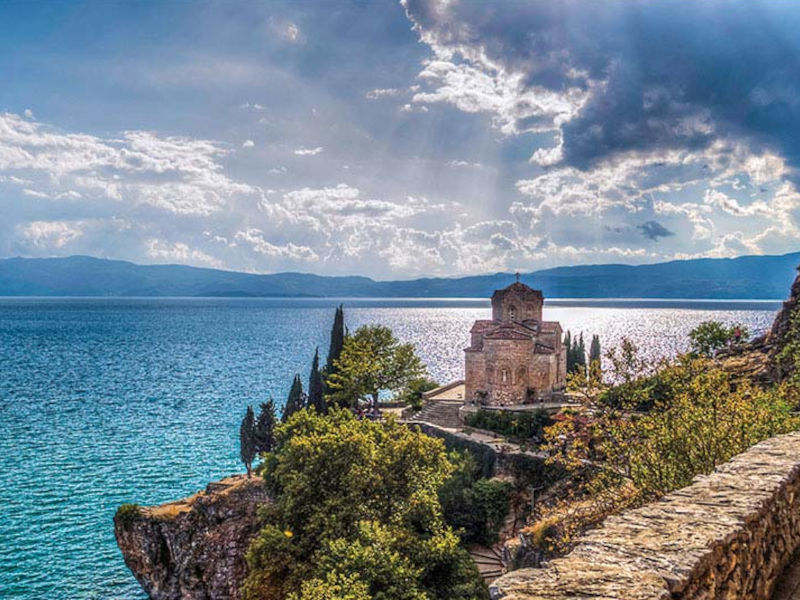
The country may be small, but the diversity is huge. From the rugged peaks of the Shar Mountains and Korab Mountain to the peaceful waters of Lake Ohrid, every region feels different.
National parks like Pelister National Park, Mavrovo National Park, and Galicica National Park offer endless opportunities for hiking, ski touring, snowshoeing, mountain biking, and discovering hidden villages.
Culture, Food & Everyday Life
But North Macedonia is not only about mountains. The country has a rich mix of Balkan, Mediterranean, and Ottoman influences that can be seen everywhere — in the architecture, music, food, and everyday life.
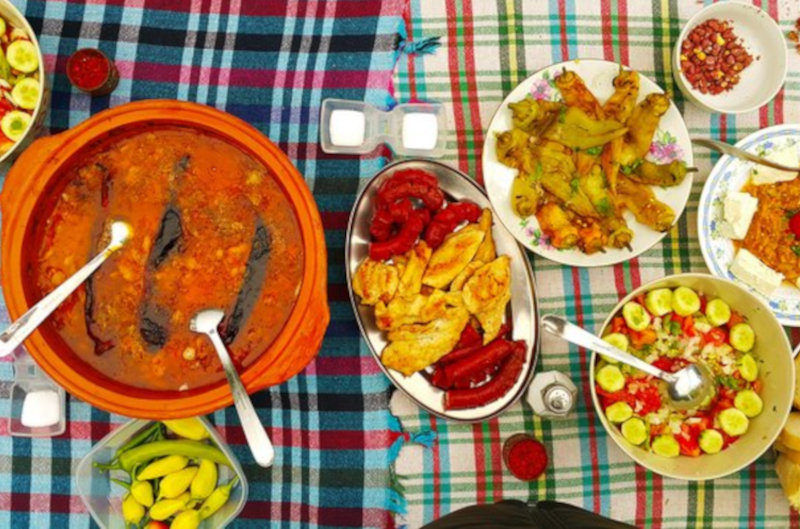
Expect fresh local dishes, homemade wine, mountain tea, lively markets, and cafés full of people at almost any hour of the day.
Basic Information About North Macedonia
North Macedonia, officially the Republic of North Macedonia, is a landlocked country in Southeast Europe. It shares land borders with Greece to the south, Albania to the west, Bulgaria to the east, Kosovo to the northwest and Serbia to the north.
Extending on over 25,713 square kilometres, Republic of North Macedonia is a territory inhabited by almost two million inhabitants. Its capital is Skopje with about half a million inhabitants.
In Republic of North Macedonia, apart from Macedonians, there are also many ethnic groups – Albanians (who dominate much of the northwestern part of the country), Turks, Serbs, Vlachs, Roma and others.
Two thirds of the population are Orthodox Christians, while others are Muslims, Catholics, and members of other religious communities.
The official language is Macedonian. The currency is Denar.
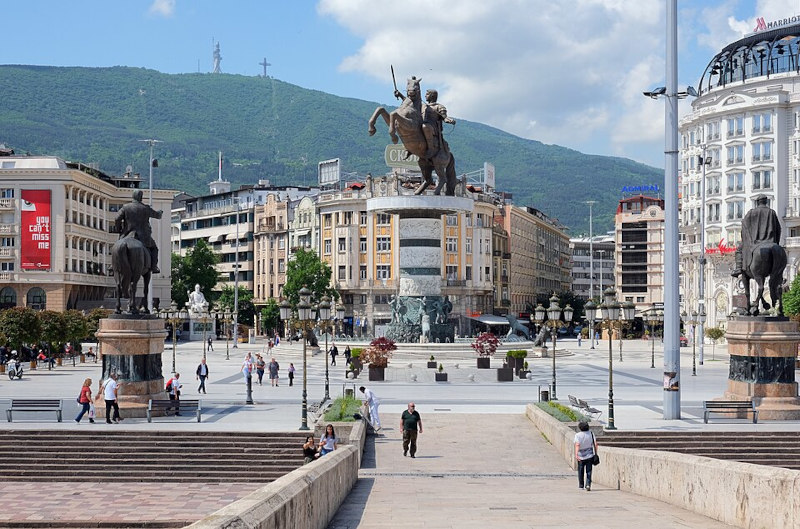
Skopje, the capital and largest city, is home to a quarter of the country's population of over 1.83 million. The majority of the residents are ethnic Macedonians, a South Slavic people. Albanians form a significant minority at around 25%, followed by Turks, Roma, Serbs, Bosniaks, Aromanians and a few other minorities.
Modern History
On 2 August 1944, at the end of the Second World War, the new Socialist Republic of Macedonia became one of the six constituent countries of the Socialist Federal Republic of Yugoslavia.
After the breakup of Yugoslavia, on 8 September 1991 this federal entity declared independence and proclaimed its official name as the “Republic of Macedonia”.
Following the Prespa Agreement signed in June 2018, which aimed to settle the 27-year naming dispute with Greece that had prevented Macedonia from joining both the European Union and NATO, the country officially changed its name to the “Republic of North Macedonia”.
The national referendum did not reach the required 50% turnout amidst a boycott, leaving the final decision with parliament to ratify the result. Parliament approved the name change on 19 October.
Many of the country’s citizens and local media outlets unofficially still refer to the country simply as “Macedonia”.
Whether you are looking for hiking adventures, ski touring, cultural experiences, or simply a slower way to explore, North Macedonia offers something rare in Europe today — real adventure without the crowds.
Explore Our Tours